 FULCRO
$The project left stalled for months, waiting for someone to say what the priority was.
Systems architecture
You paid for the systems. Without architecture, you're paying twice over — because they don't talk to each other.
The money sits idle because nothing connects, and the information you already paid for is thrown away before it becomes a decision. Fulcro builds the structure that makes that investment pay off.
A network, forming
A single decision point. On its own, it moves nothing.
Around it, an architecture begins to take shape.
Until the whole operation connects, and starts to see itself.
From problem to decision
The path comes into view. And it's almost never straight.
A gap in the evidence sends the work back a stage. Going back isn't delay: it's what stops you building on the wrong foundation.
What it has already cost
You'll recognise at least two of these.
$The consultancy that delivered a handsome diagnosis, and the operation carried on exactly the same.
$The person who left and took with them the only map of the operation that existed.
$The decision made with confidence, and the discovery, too late, that the ground beneath it wouldn't hold.
$The system bought to solve a problem nobody had managed to describe properly.
$The report everyone praised and no one could turn into action.
None of these is a tool problem. They're all the same problem: the operation works and no one can see it whole.
How you come out the other side
You stop deciding in the dark. And you come to know exactly where it's still dark.
The whole operation in one document, not in six people's heads.
Every claim with its source: fact, assumption, or no one knows.
The bottlenecks with a named owner, not with "the team needs to align".
The order of what to do first, with acceptance criteria.
That last line is the one no one delivers. It's also the one that makes the second cheque smaller and surer than the first.
How it starts
Two different conversations. You'll know which is yours by the sentence you'd use.
“I can't see my whole operation.”
Architectural X-Ray- Eight measurement points running down through the operation
- Diagnosis, architecture and decision, in that order
- Seven deliverables, each with acceptance criteria
- Ends at the decision made and the next step sized
GuaranteeIf it doesn't show you what you couldn't see before, you don't pay. Every deliverable has acceptance criteria.
It doesn't carry out the next step. If it did, it wouldn't be an X-Ray, it would be implementation at a discount.
See the X-Ray“I know my operation. I want it built.”
Direct work- Website, platform, digital product
- Automation and integration between systems
- An agent with explicit limits on its authority
- Data, knowledge and decision systems
I deliver what you asked for. And I tell you what I saw, even if you didn't ask.
Start a conversation
What Fulcro delivers
Six forms the work takes when it reaches you.
Each is the surface of a system. None is a standalone service.
01
Architectural X-Ray
A diagnosis of the operation across eight dimensions, with a target architecture and a prioritised roadmap.
Diagnosis
02
Websites and platforms
Digital surfaces that organise an operation, with the information architecture behind them.
Interface
03
Automation and integration
Flows that connect systems, with the decision about what can and can't run on its own.
Flow
04
Agents with limits
AI-assisted support and analysis, within defined authority. Never assumed.
AI
05
Data and knowledge
Databases, information structures and memory. What the organisation knows stops living only in people's heads.
Knowledge
06
Decision systems
Context, evidence, alternatives and authority connected. The decision takes shape before it's made.
Governance
Work
What has left the drawing board and gone into operation.
01 — Brand and e-commerce
AIROS
A brand and shop for functional supplements, from product to e-commerce.
- Brand identity and visual system
- Compound catalogue
- Shop and end-to-end buying experience

02 — Digital product
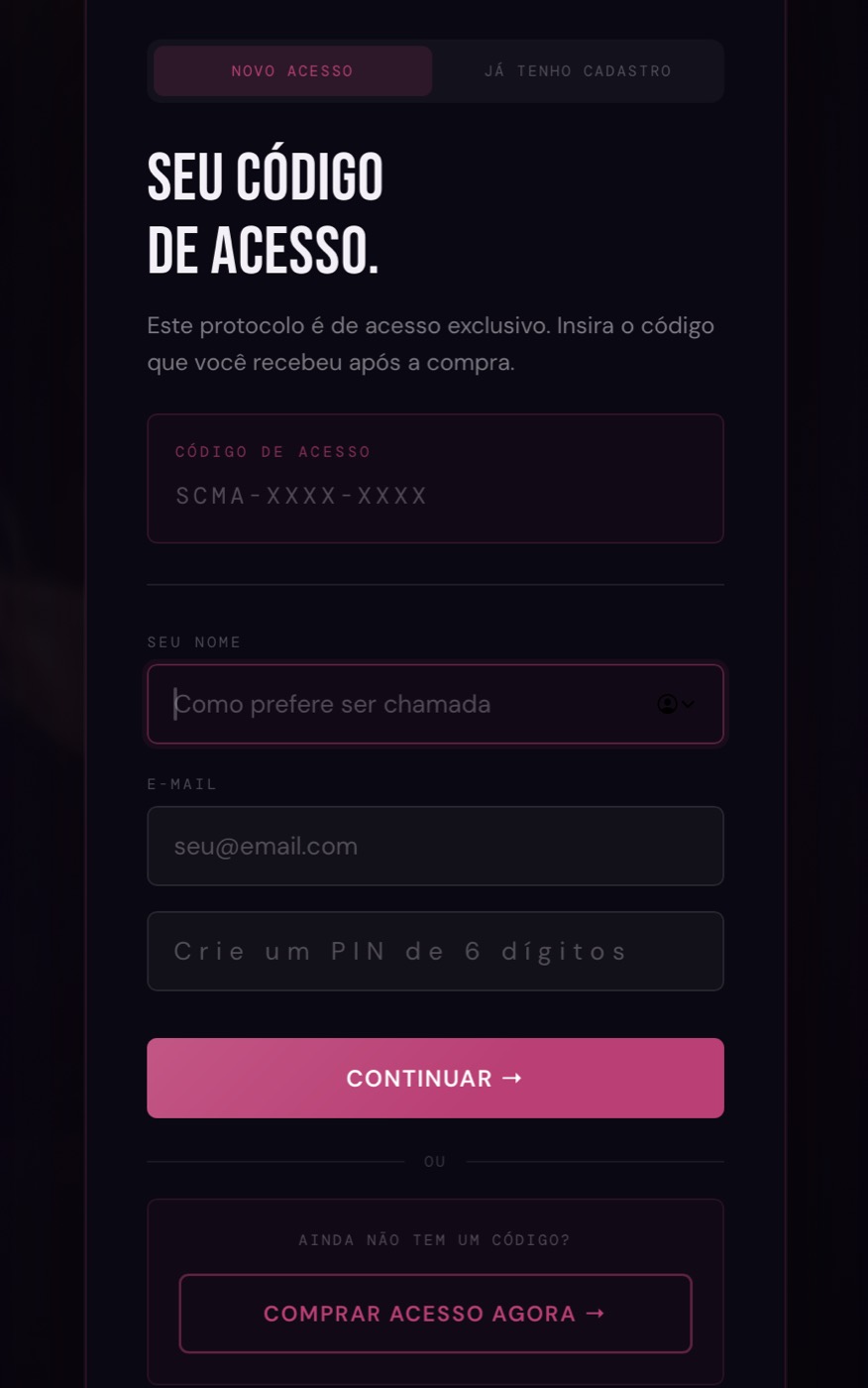
Cintura Seca
A metabolic method delivered as a digital protocol, with access in stages.
- Staged protocol, with code-based access
- The method's day-by-day content
- A dark, guided experience
03 — Corporate website
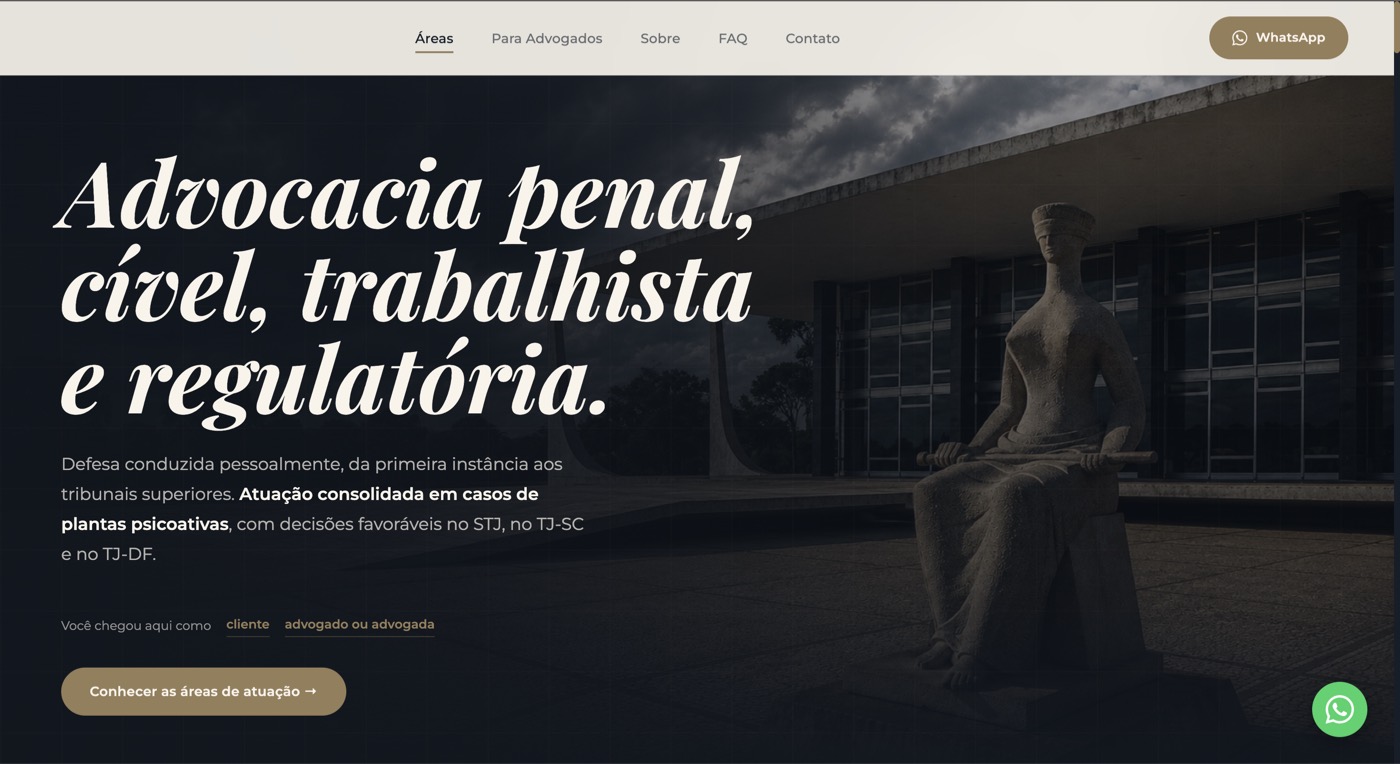
MHOFF Advocacia
A corporate website for a law firm in Brasília.
- Practice areas, organised
- The firm's presentation and authority
- A channel for contact and enquiries
04 — Website and shop
Txaná Huni Kuin
A website and shop for the knowledge and medicine of a Huni Kuin pajé.
- A presentation of forest knowledge
- Shop for the brand's line
- A point of contact and scheduling

05 — Link page
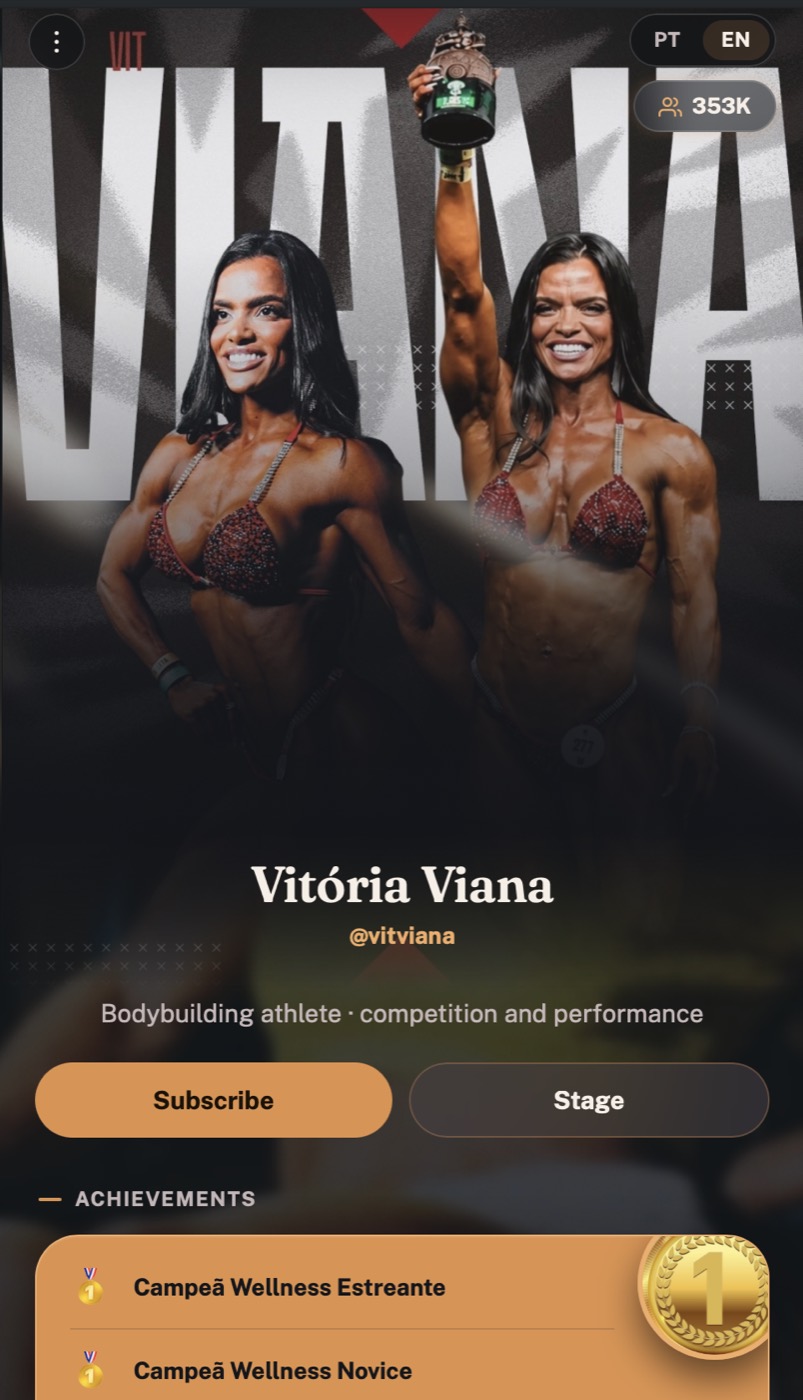
Vitória Viana
A links-and-partnerships page for a bodybuilding athlete.
- The athlete's profile
- Links and partnerships in one place
- Conversion for sponsors
Where it has operated
Operations delivered across four countries.
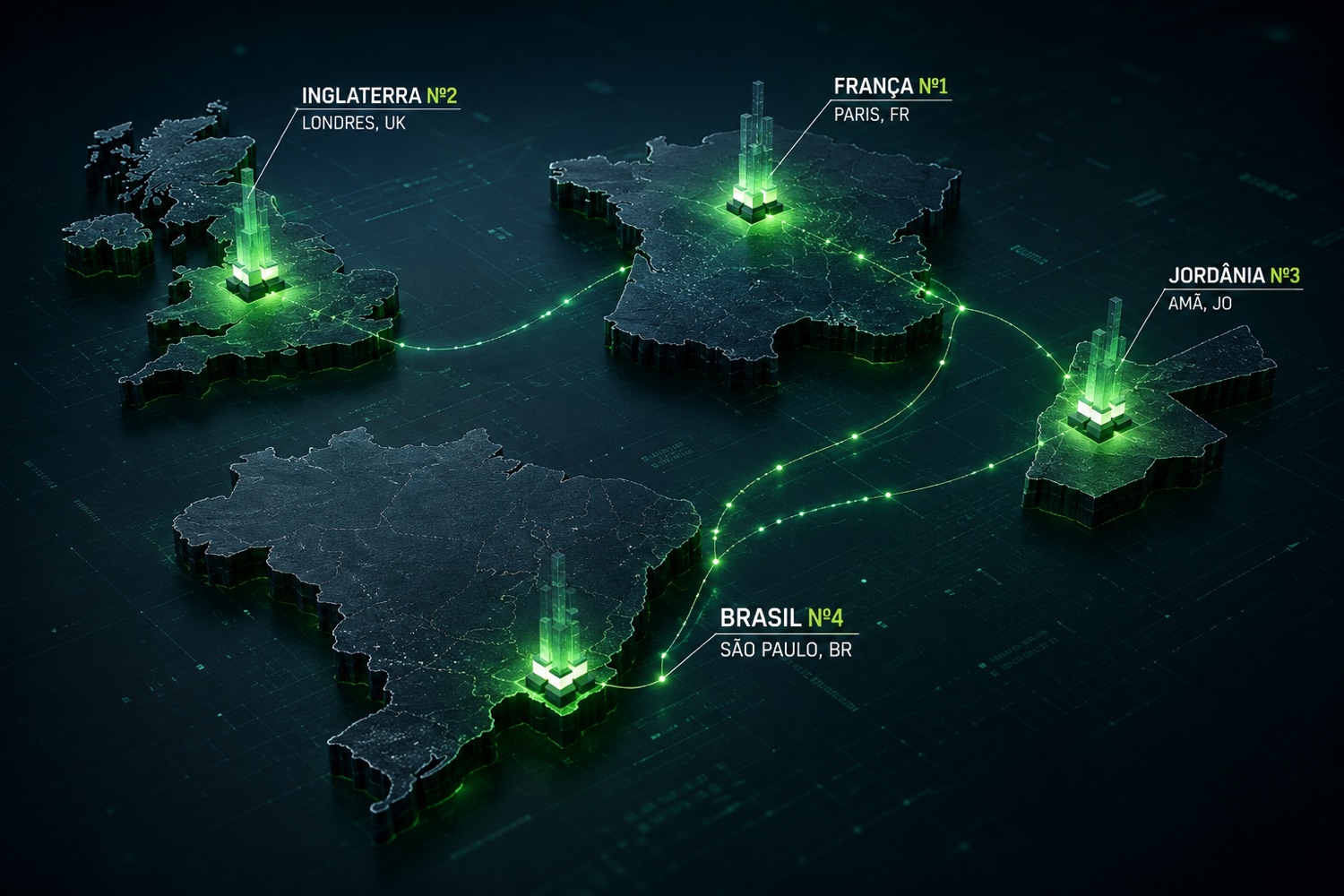
International events, a sales-channel operation abroad, the education arm of a healthcare organisation, and a digital product from zero to a working shop. Contexts that don't share the same rules, with parts that don't answer to the same authority. It's where the method was formed, before it had a name.
What you're thinking right now
Three objections, and not one of them is silly.
Fulcroonline
the doubts you have right now
We've hired consultants before and nothing changed.09:41
Probably because what you bought was a recommendation. A consultancy has to produce a recommendation, because that's what was sold, and it can't say the evidence doesn't support a decision without failing to deliver. Here what gets delivered is structure, and the line where the evidence stops holding comes with it.09:41
My operation is too specific for an off-the-shelf method.09:43
That's exactly why it's eight measurement points, not a filled-in template. The structure emerges from what your operation returns at each point, not from a template that arrives with the answer already filled in.09:43
I don't have time for a diagnosis right now.09:45
The diagnosis is what stops you paying twice for the same decision. The time it costs is less than the time of the project that stalls because no one could say what the priority was.09:45
The first conversation
What happens when you write.
No corporate deck, no sixty-page proposal.
- You describe what's stuck
You don't need to arrive with the answer. You need to arrive with the problem stated.
- I tell you whether this is architecture or not
If your problem isn't an architecture problem, I say so, and the conversation ends there. You leave with a reading and without an invoice.
- If it is, we define the scope before the price
Depth, measurement points and timeline come from what your operation demands, not from a package.
- The person you talk to is the person who delivers
There's no layer that promises and another that finds out later. The person from the first conversation signs off the final architecture.
Why scope comes before price
One person leads the whole of the work, from first contact to delivery. That genuinely limits how many engagements run at once, and it's why the first conversation is about scope and not about selling. If it doesn't fit, better to know in the first week.
Got a decision stuck right now?
Write the problem, stated, in three lines. I'll reply telling you whether it's architecture, and what I can already see from what you wrote.